


By Tyler Arnold
Jan 21, 2026 / 15:49 pm
A federal health spending bill would impose a long-enforced ban on using taxpayer funds for elective abortion, known as the Hyde Amendment.
The U.S. House is set to consider the bill this week, which would fund the departments of Labor, Education, and Health and Human Services. Lawmakers would need to pass spending bills in both chambers and send them to the White House by Jan. 30 or the government could face another partial shutdown.
Republican President Donald Trump had asked his party to be “flexible” in its approach to the provision in a separate funding bill. According to a Jan. 19 news release from the Republican-led House Appropriations Committee, the Labor-HHS-Education spending bill includes the provision “protecting the lives of unborn children” known as the Hyde Amendment.
The Hyde Amendment, which is not permanent law, was first included as a rider in federal spending bills in 1976. It was included consistently since then although some recent legislation and budget proposals have sometimes excluded it. The provision would ban federal funds for abortion except when the unborn child is conceived through rape or incest or if the life of the mother is at risk.
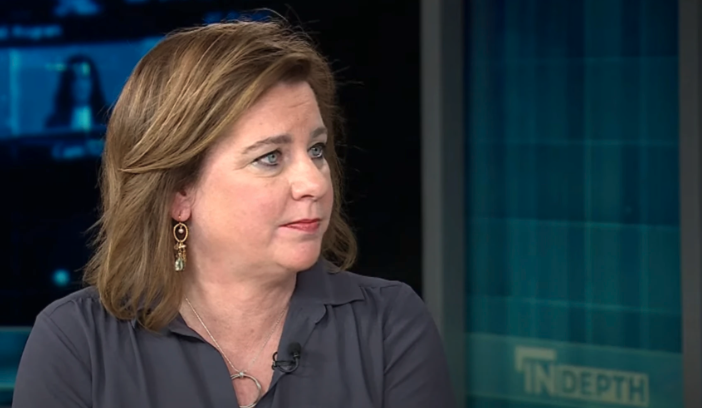
Katie Glenn Daniel, director of legal affairs and policy counsel for Susan B. Anthony Pro-Life America, said the amendment is “a long-standing federal policy that’s been included for the last five decades and is popular with the American people.”
“Americans don’t want to pay for abortion on demand,” she said.
Many Democratic lawmakers have sought to eliminate the rider in recent years, saying it disproportionately limits abortion access for low-income women. Former President Joe Biden reversed his longtime support of the Hyde Amendment in the lead-up to the 2020 election and refused to include it in his spending proposals, saying: “If I believe health care is a right, as I do, I can no longer support an amendment that makes that right dependent on someone’s zip code.” But Republicans successfully negotiated the rider’s inclusion into spending bills.
In January 2025, Trump issued an executive order directing the government to enforce the Hyde Amendment. A year later, Trump urged Republicans to be “a little flexible on Hyde” when lawmakers were negotiating the extension of health care subsidies related to the Affordable Care Act. A White House spokesperson also said the president would work with Congress to ensure the strongest possible pro-life protections.
The House eventually passed the extension without the Hyde Amendment after 17 Republicans joined Democrats to support the bill. The Senate has not yet advanced the measure, where the question of whether to include the Hyde Amendment has been a point of contention between Republicans and Democrats.
In mid-January, Trump announced a plan to change how health care subsidies are disbursed. There was no mention of the Hyde Amendment in the White House’s 827-word memo.
The United States Conference of Catholic Bishops has consistently lobbied for the inclusion of the Hyde Amendment in spending bills. On Jan. 14, the bishops sent a letter to Congress “to stress in the strongest possible terms that Hyde is essential for health care policy that protects human dignity.”
“Authentic health care and the protection of human life go hand in hand,” the letter said. “There can be no compromise on these two combined values.”