
Jan 22, 2026 / 07:00 am
As Bangladesh heads toward a crucial general election on Feb. 12, the country’s largest Islamist party, Bangladesh Jamaat-e-Islami, has offered an unusual assurance to religious minorities, pledging that it would not impose Islamic Sharia law if it comes to power.
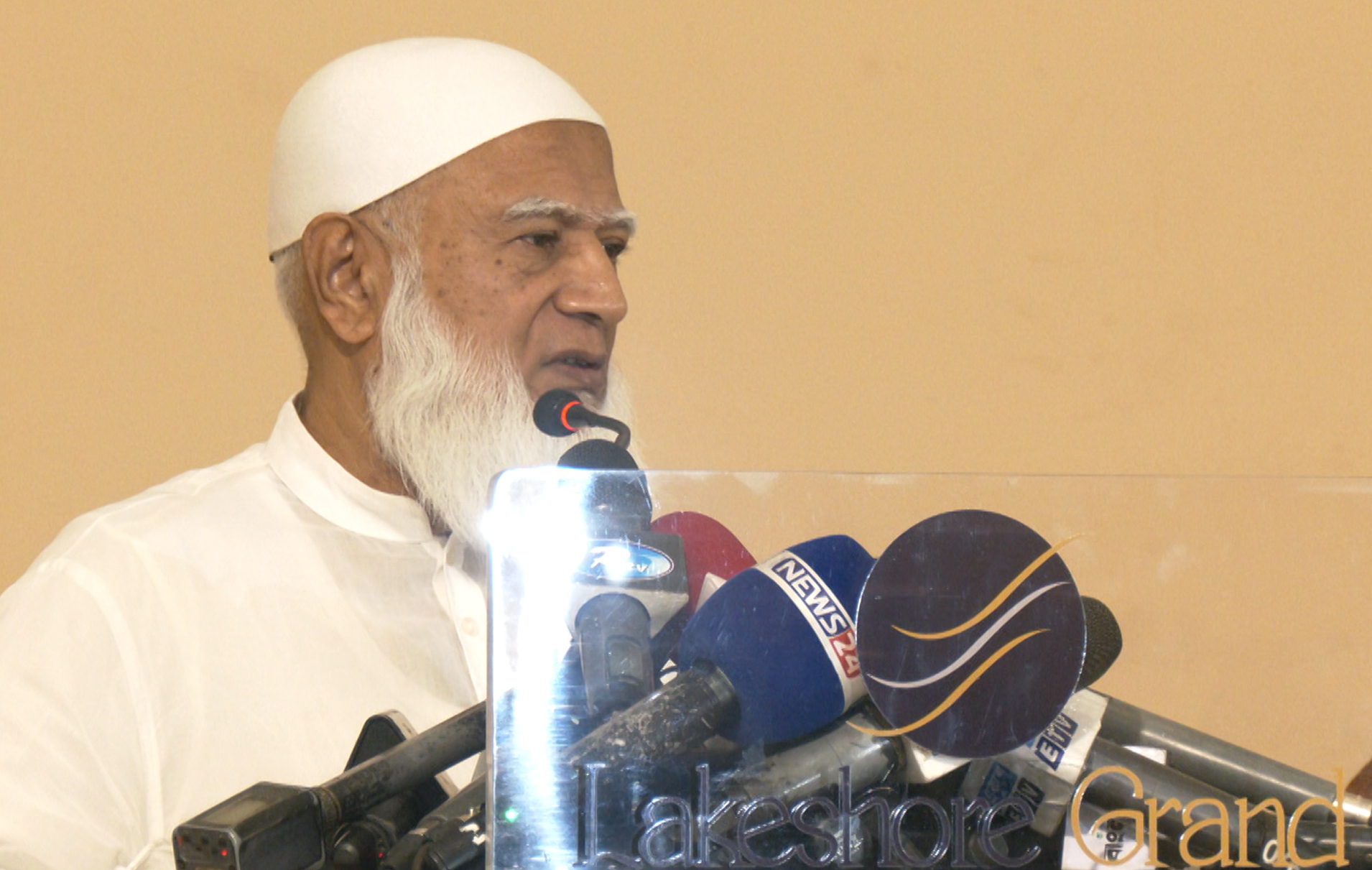
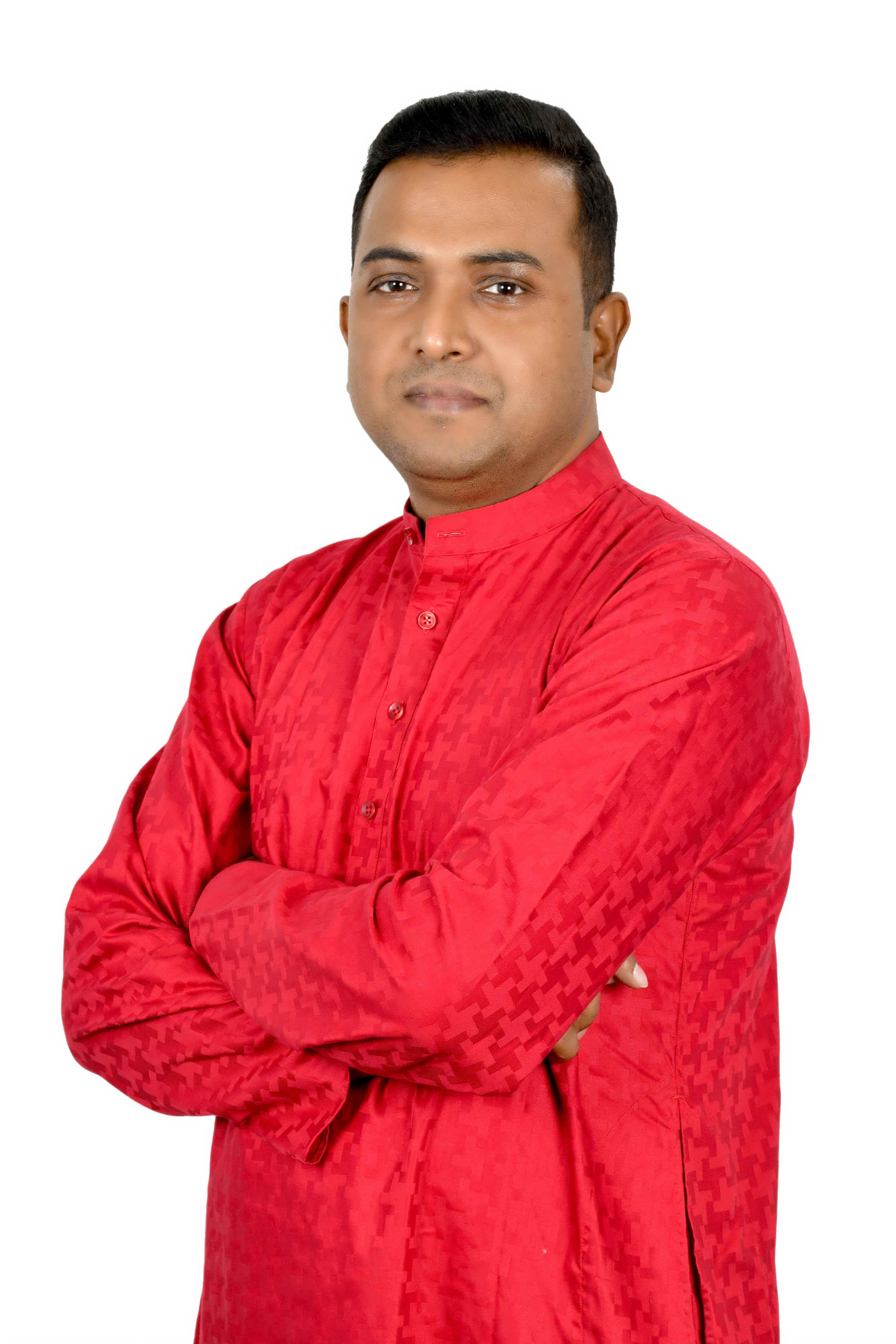
Shafiqur Rahman, the leader of Bangladesh Jamaat-e-Islami, made the promise during a meeting on Jan. 14 with Christian leaders in Dhaka, according to participants in the discussion. The statement has sparked debate across the country, where Jamaat’s Islamist ideology and past positions appear to stand in tension with the pledge.
“He promised that they will not run the country under Sharia law,” said Martha Das, general secretary of the National Christian Fellowship of Bangladesh, who was part of a 20-member Christian delegation that met Rahman.
She told EWTN News that Christian leaders also raised concerns about the possible introduction of blasphemy laws and the safety and social security of religious minorities.
Rahman assured them that existing laws would remain in place and that no additional legislation targeting religious minorities would be introduced.
Christian leaders described the meeting as an effort to seek clarity and accountability ahead of the election. “We recorded the assurances,” Das said, adding that the community intends to hold Jamaat publicly responsible if it reverses its position in the future.
At the same time, Christian leaders stressed that their community does not support Bangladesh Jamaat-e-Islami. “We never support the Bangladesh Jamaat-e-Islami party,” said one Christian leader who did not want to be named. “But before the election, it is a better opportunity to talk with candidates about safeguards for our future.”
Mixed reactions
The statement has generated widespread discussion in Bangladesh, where Bangladesh Jamaat-e-Islami has long been associated with calls for governance based on Islamic principles. Some analysts see the pledge as a tactical move aimed at broadening the party’s appeal among minority voters and the international community, while others argue that Jamaat has shown signs of gradual ideological adjustment in recent years.
A senior Catholic priest in Dhaka, who requested anonymity, cautiously welcomed the statement. “If Bangladesh Jamaat-e-Islami keeps its word, it is very good,” he told EWTN News. “But it remains to be seen whether this is a genuine commitment or a political strategy.”
The priest suggested that Jamaat may be attempting to present itself as more moderate to Western countries ahead of the elections. “Developed countries generally view Islamic Sharia negatively,” he said. “So Jamaat may be making such statements to gain international acceptance.”
Critics, however, point to apparent contradictions between Jamaat’s pledge and its broader political record. The party has not nominated any female candidates for the upcoming election, and previous remarks by its leaders about limiting women’s working hours have drawn criticism from civil society groups.
Election promises under scrutiny
Political analysts also caution against taking election-time promises at face value. “Sitting with people of different religions and communities before elections is definitely an election move,” said Professor Sayeed Ferdous, associate vice chancellor of Bangladesh Open University. “When leaders say we will do this or we will not do that — whether it is Sharia law or minority security — these must be considered election promises.”
Ferdous noted that Bangladesh’s political history is filled with unfulfilled preelection commitments. “Many parties have made similar promises in the past to attract votes but did not keep them later,” he said.
Another analyst, Mahbub Ullah, echoed that view, suggesting Jamaat is trying to soften its image. “They are talking a lot of soft talk ahead of the elections to appear acceptable to everyone,” he said. “It is not unusual to adopt such a strategy to change public perception of the party.”
(Story continues below)
Rift within Islamist coalition
The controversy has also exposed divisions within Islamist politics. Earlier this month, the Islamic Movement Bangladesh announced its withdrawal from the 11-party electoral alliance led by Jamaat-e-Islami and declared it would contest 268 seats independently.
At a press briefing in Dhaka on Jan. 16, Islamic Movement spokesperson Gazi Ataur Rahman accused Jamaat of abandoning its ideological roots. “Jamaat has deviated from the Sharia law of Allah for power,” he said. “They consider power to be the only important thing.”
Rahman added that Jamaat’s traditional slogan — “We want the law of Allah, we want the rule of honest people” — has been forgotten, disappointing many grassroots supporters. “We believe it is not possible to establish peace under the existing law of the country,” he said. “We want Sharia law.”
As Bangladesh approaches election day, Bangladesh Jamaat-e-Islami’s assurances to minorities have raised expectations — and skepticism — about whether political pragmatism or ideological transformation is driving the party’s message.